


I refereed three matches before 10am… and lost all of them.
(Spring break: where “more time together” becomes a full-contact sport.)
Earlier this week I wrote about how my boys fight more the longer they’re together—and how the real issue isn’t what they’re fighting about, but how they’re talking to each other in the middle of it.
If you missed it, you can read it here:

Most arguments don’t spiral because of what happened.
They spiral because of how we say it.
This week’s Fieldwork is about one simple shift that changes the tone fast:
I statements.
This Week’s Fieldwork
1. Introduce the I statement
Teach one simple sentence:
“I felt ___ when ___.”
Keep it basic.
“I felt frustrated when that happened.”
“I felt annoyed when you said that.”
(Yes, it will feel weird at first. So does anything that actually works.)
2. Listen for the conflict
Don’t try to stop the argument.
Just listen for the language:
“You always…”
“That’s not fair…”
“He did it on purpose…”
That’s your cue.
3. Coach the rep
When you hear it:
Slow it down.
“Try that again using an I statement.”
If they do it—even a little—call it out.
“Hey… that was better.”
If they don’t?
No lecture.
Just another rep.
Why This Works
1. It slows the speaker down
You can’t say what you felt without figuring out what you felt.
That pause interrupts the reaction.
2. It creates empathy
Emotions are easier to hear than accusations.
“I felt frustrated” lands very differently than “You’re being annoying.”
3. It opens the door to resolution
You’re not attacking the person.
You’re naming the experience.
And that makes it easier to actually solve something.
Closing Reminder
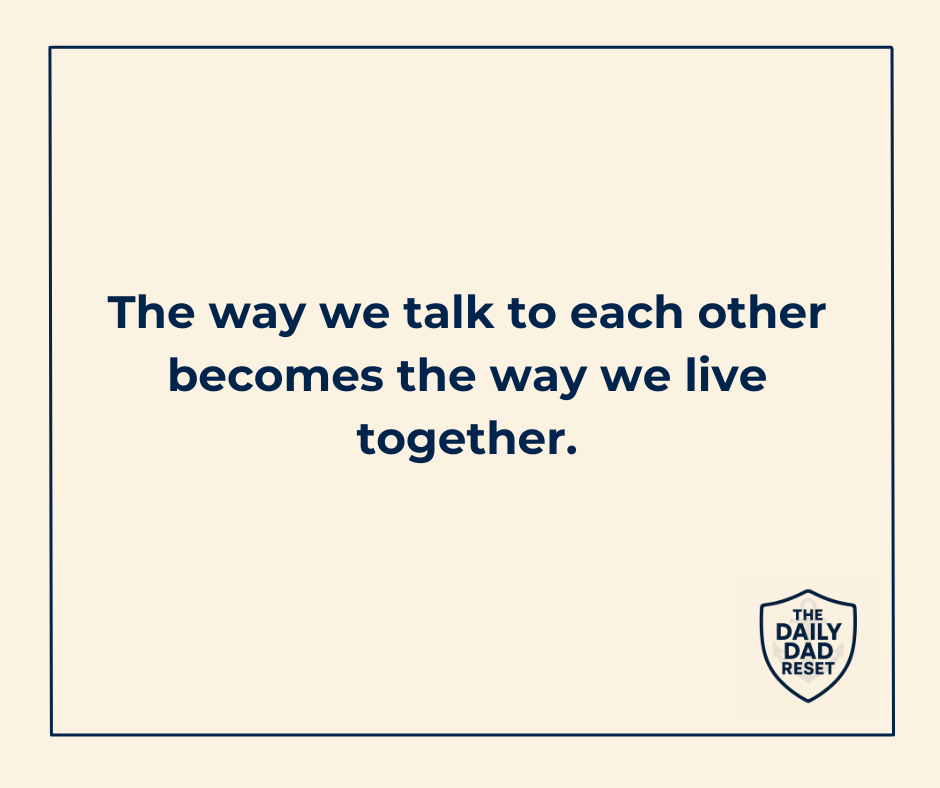
You don’t have to stop every argument.
You just have to change how it sounds.
Because…
Man this is good.
“I felt ___ when ___” sounds so simple, but you’re right… it completely changes the tone. It forces a pause instead of just firing back.
And I like that you didn’t make it about stopping the argument, just changing how it sounds. That feels way more realistic in the middle of it all.
Definitely stealing this one.